
Digital Twin
-
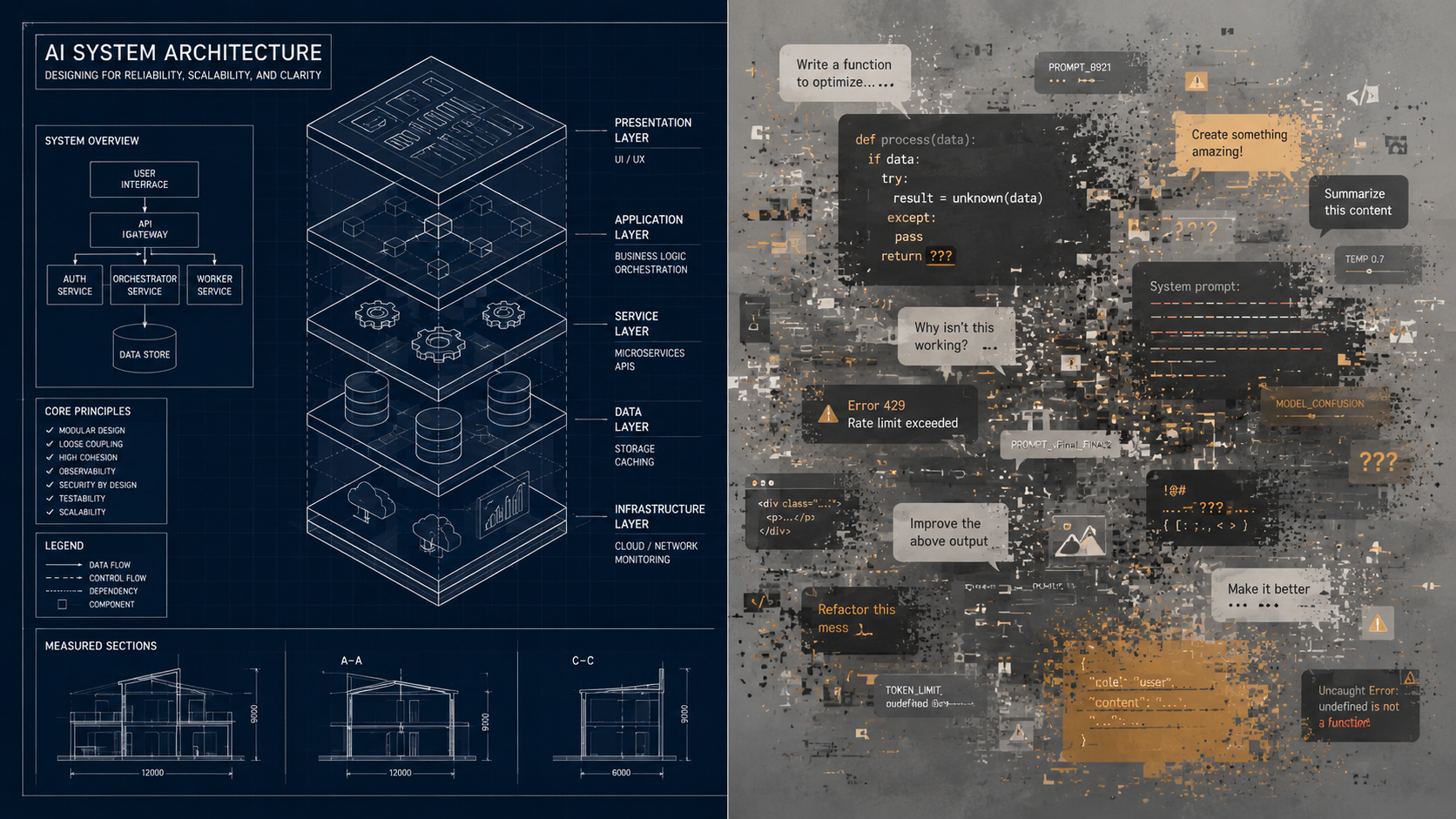
Spec-Driven Agentic Software Engineering Is Not Vibe Coding. Here Is the Difference.
Most teams using AI coding agents are not doing agentic software engineering. They are doing expensive prompt guessing at scale. There is a difference, and it matters more than the tool you picked. The tooling conversation has been loud. Claude Code from Anthropic. ChatGPT Codex from OpenAI. GitHub Copilot, Cursor, Windsurf. A new agent lands…
-

Your AI is not your colleague. Stop treating it like one.
This article is about the alternative. Not the safe, boring alternative. The rigorous one. The approach that makes AI dramatically more useful precisely because it treats AI as the powerful but institutionally clueless tool that it is. Vibe coding works. Until it doesn’t. Vibe coding is not stupidity. It works well for a wide range…
-

AI Coding Tools Are Only Exposing Your Weak Software Engineering Discipline
AI Coding is the end of pretending your engineering process is mature. The pitch versus the reality Every vendor demo looks the same. A developer types a vague instruction. The AI returns clean, working code in seconds. The crowd applauds. Another slide promises “10x productivity.” What the slide does not show: the codebase those snippets…
-
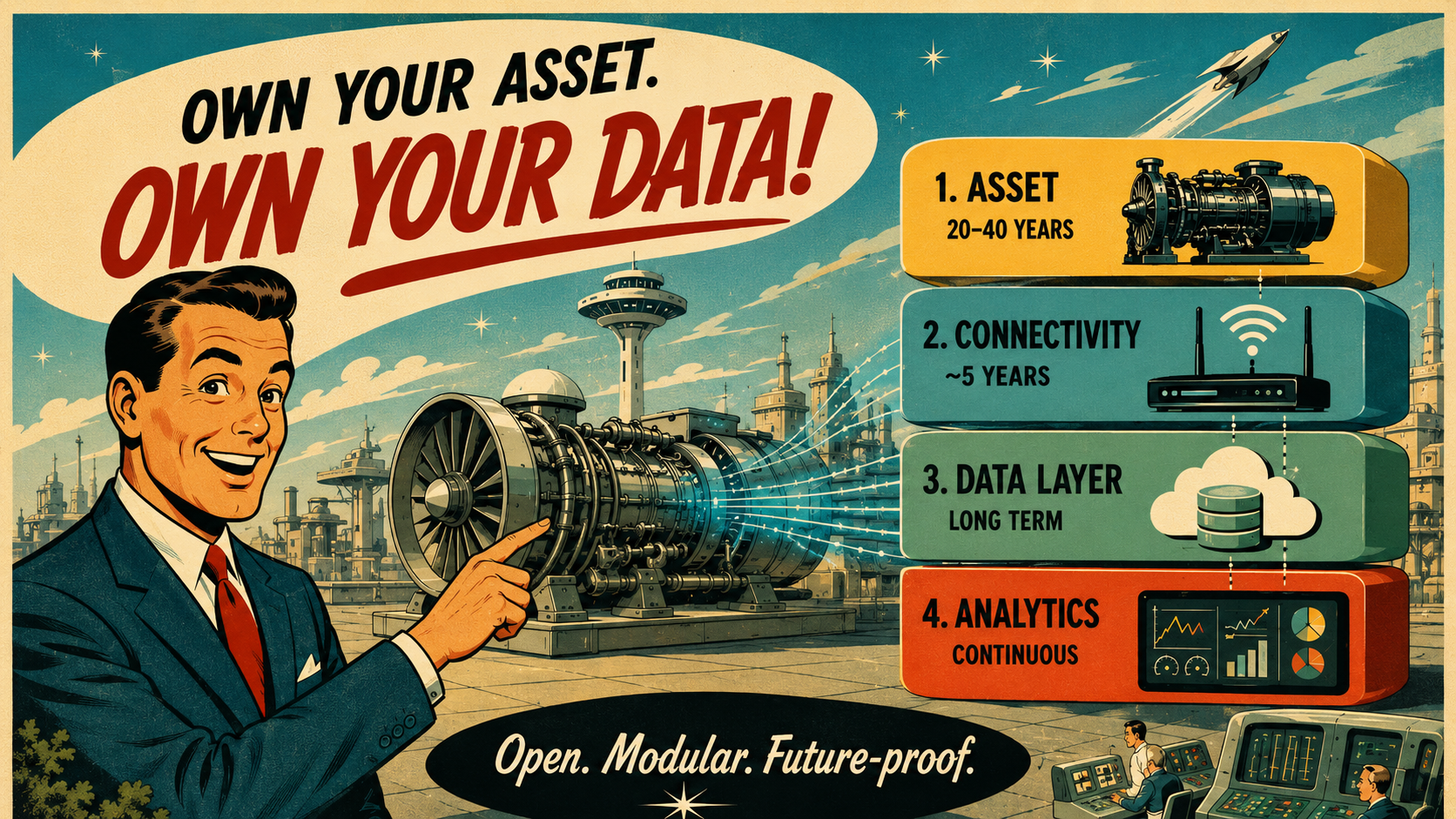
The Timeline Paradox: Decoupling Industrial IoT Data from Physical Assets
How modular data architecture and open standards put asset owners back in control There is a structural issue in the market for data-driven asset management that is rarely stated explicitly: the supplier of your asset also wants to become the supplier of your data. That may be understandable from the supplier’s business model. But it…
-

When Siemens Energy Must Choose: Your AI Data Center or the Grid That Powers It
The energy transition has a bottleneck that rarely makes headlines. Not a shortage of wind turbines or solar panels. Not a lack of capital or political will. A structural shortage of power transformers, switchgear, and high-voltage direct current (HVDC) connections. The physical components that move electricity from where it is generated to where it is…
-

The Power Grid Does Not Know What You Know
The Dutch electricity grid is congested. That diagnosis is no longer controversial. What remains poorly understood is why the flexibility that could relieve that congestion is sitting idle behind millions of meters, owned by businesses and households who have neither the information, the incentive, nor the trust to put it to use. The problem is…
-

How AI Makes Ignorance Sound Intelligent (And How to Spot It)
There is a Latin-derived word for the habit of giving opinions beyond your competence: ultracrepidarianism. It refers to the shoemaker who critiques a painter about his technique. Similarly, the dinner-party guest who corrects the surgeon about a medical procedure, and the co-worker who has read one article and is now a marketing expert. “The confident…
-

TenneT, The Backbone of the Economy Under Strain, But Cannot Be Allowed to Break
What TenneT’s 2025 Annual Report Tells Us About the Dutch High-Voltage Grid: the Backbone on Which Our Digital Economy Rests. Beneath our digital and industrial prosperity lies the Dutch high-voltage grid: a national infrastructure already running at its limits, while the true peak of the energy transition is yet to come. That tension is largely…
-

Your Innovation Pilots Are a Graveyard.
Time to Stop, Bury them with a distinct Ceremony. Most innovation pilots in large organisations are not experiments. They are expensive theatre. A team is assembled, a budget is allocated, a vendor is selected, and a steering committee is formed. Six months later, a slide deck lands in front of a board that politely nods.…
-

EU Cloud Sovereignty Framework, definitely not a Sleeping Pill
Let’s be honest: most EU policy documents read as if they were written by a committee of lawyers who drank too much espresso and then fell asleep at their keyboards anyway. Pages full of “having considered that” and “with reference to Article 42, paragraph 3, subparagraph b,” where after 10 minutes, you still don’t know…
-

Why Slow Data Still Makes Businesses Rely on Gut Feeling
We have spent the last decade building structured, data-driven systems. Our operational environments are now filled with automation, dashboards, and real-time alerts. In logistics, finance, and IT, decisions are increasingly made by algorithms or are at least heavily supported by them. And yet, when it comes to day-to-day tactical decisions, we still fall back on…
-

The “Dumber” the Intelligent Edge, the Better: Opportunities and Risks in Edge Computing
Edge computing is rapidly gaining popularity. That is hardly surprising. There are countless situations in which you want to perform a calculation, but for one reason or another (latency, cost or security) you cannot rely on the cloud. There is a great deal of attention for fast applications such as image recognition. Yet in practice,…
-

Smart Grid Strategy: Turn Energy Data Into Decisions
You’ve got the tech. But do you have the tactics? Across Europe and beyond, organizations are investing heavily in smart grid infrastructure—smart meters, IoT sensors, digital substations, and AI-powered analytics. The promise? Real-time insights, predictive maintenance, and optimized energy flows. But here’s the uncomfortable truth: Many smart grids are just data collectors. Not decision-makers. The…
-
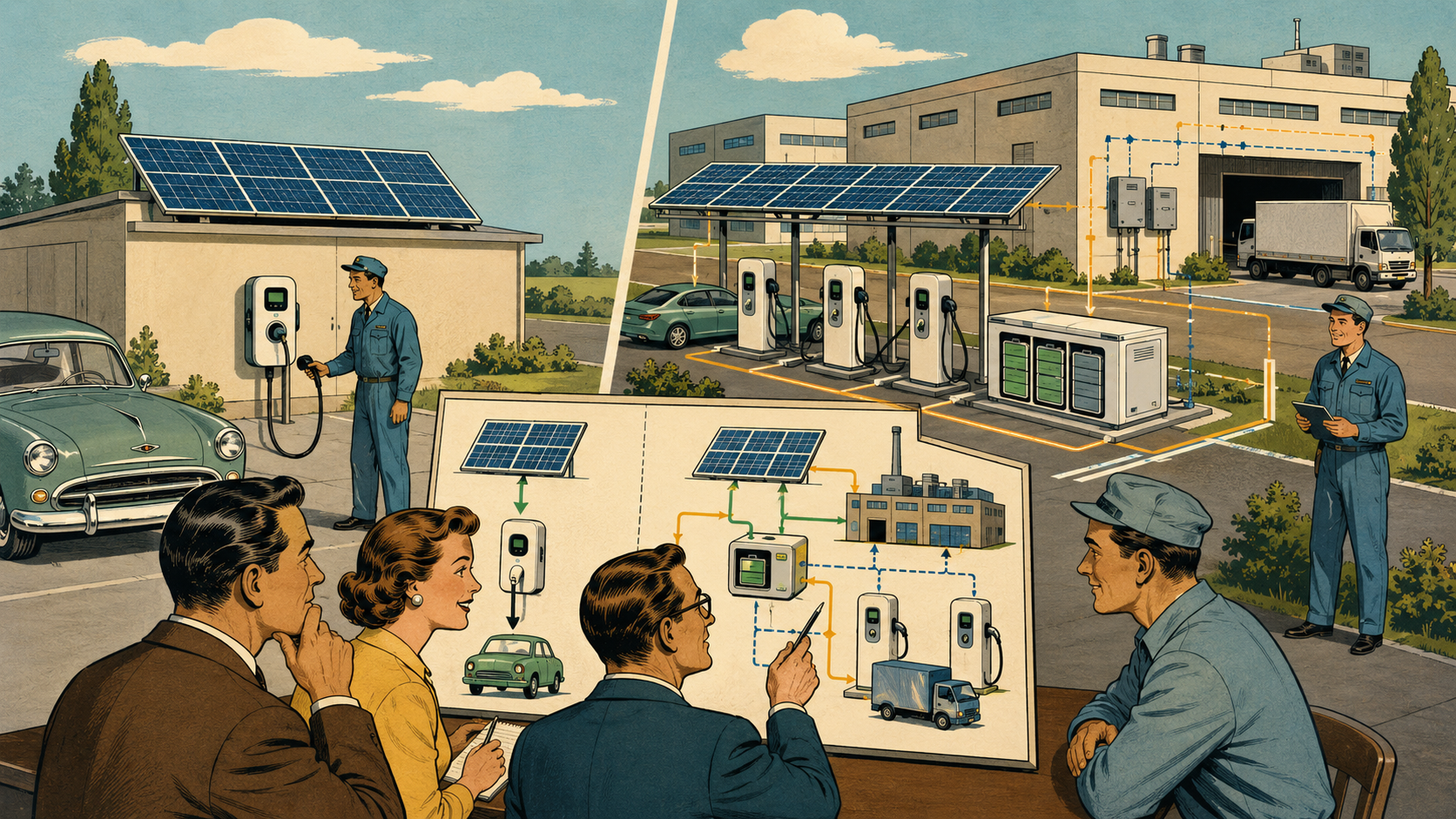
Standard vs Custom EMS: How to Choose the Right Energy Management System
The Smartest Choice Depends on One Question You Probably Haven’t Asked Every company with solar panels, a charging hub, or a battery wants an energy management system. Fewer companies stop to ask whether they need a standard EMS or a custom one. That single question decides whether your investment pays off or sits half-used within…
-
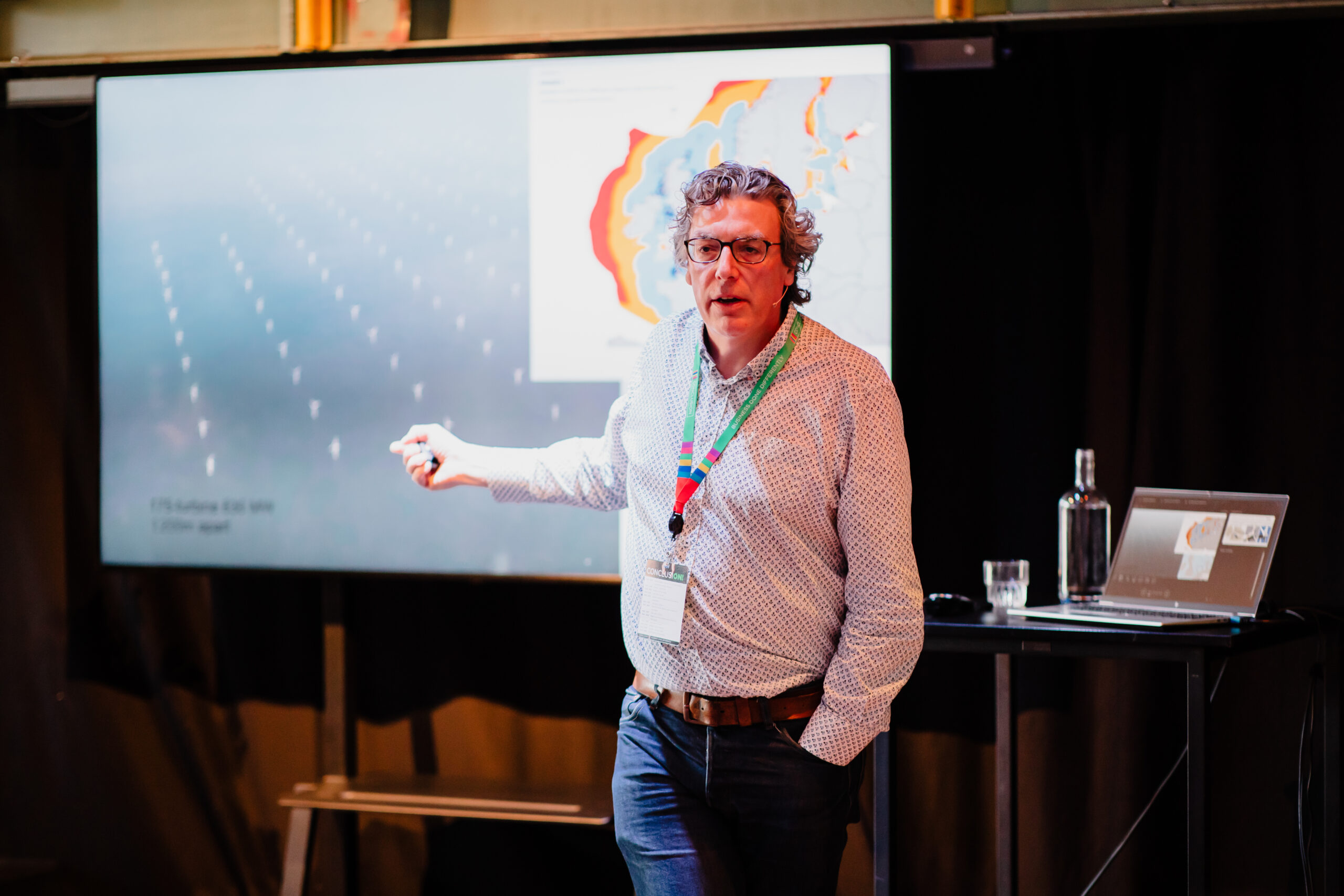
5 IoT Trends Confirming Its Maturity in 2024
In my experience, the world of IoT is shifting towards a more mature and mainstream technology. Almost every new physical device now has a means of connecting and sharing data with a central system. That data is processed for purposes ranging from condition monitoring and intelligent operations through actuators, to predictive behaviour powered by algorithms…
-

Taming the IoT Spaghetti: Unraveling the Complexity of IoT Architecture with Pasta Metaphors
With the ever-expanding realm of the Internet of Things (IoT), organizations are increasingly embracing interconnected devices to gather and exchange data. These systems often start with one use case and one type of sensor. Adding more sensors, protocols, and use cases, the IoT systems gradually evolve towards a more complicated system, adding a new string…