
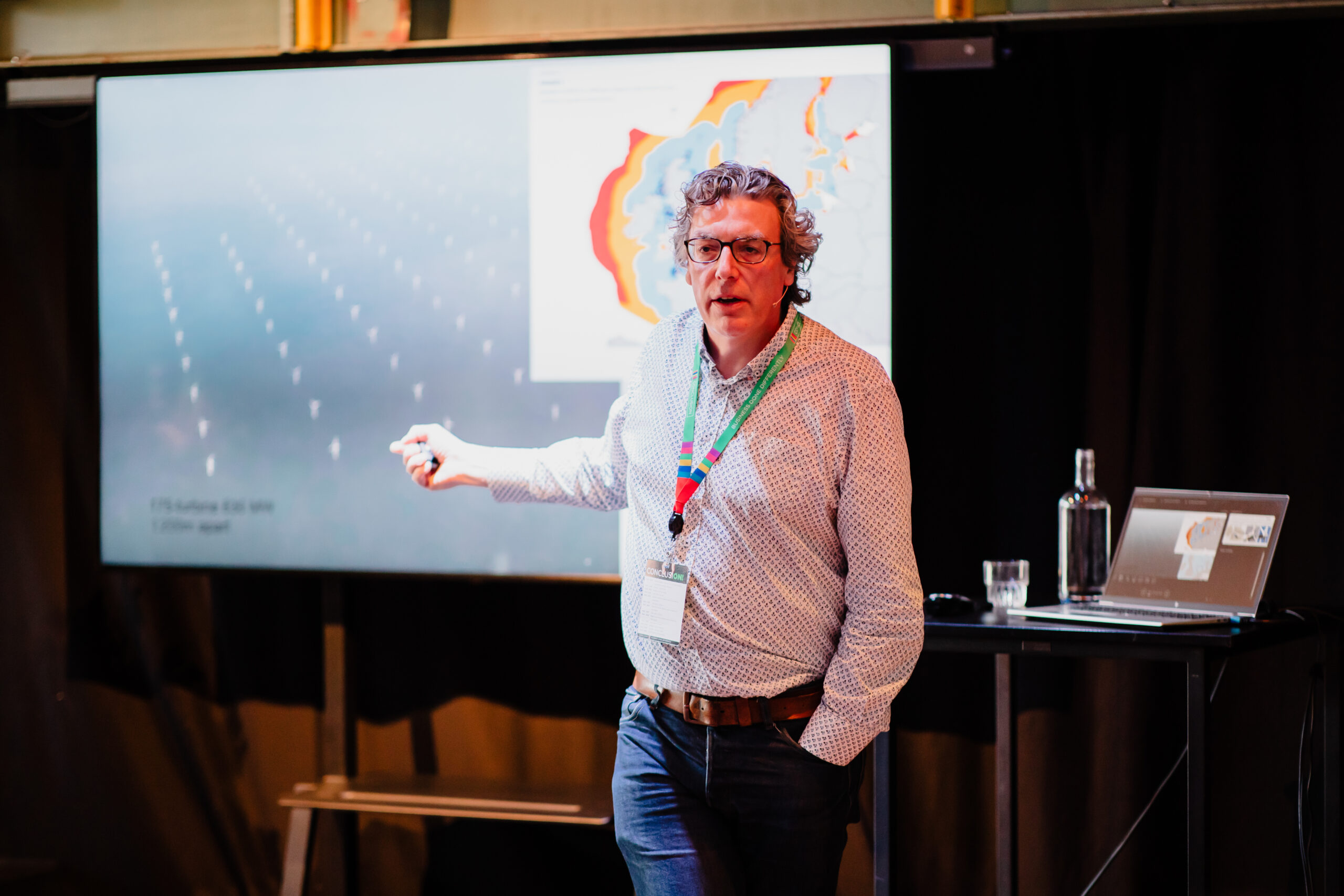
In my experience, the world of IoT is shifting towards a more mature and mainstream technology. Almost every new physical device now has a means of connecting and sharing data with a central system. That data is processed for purposes ranging from condition monitoring and intelligent operations through actuators, to predictive behaviour powered by algorithms and artificial intelligence.
Based on my projects and the broader market developments I follow, I see five key IoT trends in 2024 that confirm this technology has well and truly grown up.
1. IoT Security: From Checkbox to Security by Design
With the rise of global standards, security is no longer just a checkbox for device manufacturers. Security by design has become standard practice, and the European Cybersecurity Directive for connected digital devices now requires manufacturers to guarantee security throughout the entire product lifecycle. This includes secure initial setup, active identification of known vulnerabilities, and continuous distribution of updates and patches.
The prevailing mindset of any IoT data processing party today is to be extremely paranoid towards every connected device — and rightly so. IoT architecture embraces security by design, implementing principles such as least privilege, minimising the attack surface, open design for easy auditing, and producing verifiable evidence in the form of logs and audit trails. Security is a serious topic for any system, but especially for IoT systems that interact directly with the physical world. Compromised IoT security can have real, tangible consequences — consequences that go well beyond a data breach.
2. Asset Intelligence and Decentralised Decision-Making in IoT
Connected things are becoming increasingly intelligent. Embedding logic, algorithms, and artificial intelligence into devices and plant controllers decentralises decision-making to the edge. The number of these automated decisions is growing rapidly — in both frequency and complexity. The logic has evolved well beyond simple on/off commands, moving towards advanced optimisation settings that help systems achieve a desired outcome based on the owner’s preferred operating mode. This could be cost savings, improved worker safety, increased customer satisfaction, sustainability targets, or a combination of all four.
I see a growing number of parameters feeding into these decisions, which adds to the overall complexity. And as complexity grows, the ability to explain those decisions becomes essential. Decisions in this model have a direct impact on the real world, and in the event of a less desirable outcome, explainability is not optional — it is critical. The following requirements are vital for AI-powered decentralised decision-making in IoT:
- Traceability and a complete audit trail
- Clear versioning of the algorithm and its training data
- Defined operational boundaries for automated decision-making processes
- Clear protocols for what a decentralised asset should do in the event of connectivity loss
- An emergency override to suspend “optimised operations” and safeguard minimum operational processes
3. IoT for Energy Management and Sustainability
Rising energy prices, economic and geopolitical uncertainty, and climate action obligations have accelerated the adoption of digital technology for energy management and sustainability. More and more legislation is being introduced under the European Green Deal, requiring organisations to actively steer on reducing their greenhouse gas emissions and climate impact.
Metering and controlling energy assets are crucial to increasing the production of sustainable energy and optimising consumption to maximise the use of renewable sources. This includes the transition from fossil fuels to sustainable electricity — a shift that creates new challenges around grid congestion and the growing demand for flexible capacity. An increasing number of digital meters and actuators are being added to the energy network, creating a real-time smart grid. IoT is at the heart of making this energy transition work in practice.
4. Mission-Critical IoT Monitoring and Operations
The growing importance of IoT systems in supporting intelligent, real-time operations demands a serious approach to running and monitoring these platforms. IoT has evolved from producing a monthly status report to serving as a real-time decision-making system. That is a fundamentally different level of operational responsibility.
Modern IoT monitoring systems have become far more proactive. They not only trigger programmed alerts but also anticipate the unexpected presence or absence of devices and data, and actively monitor the quality and plausibility of incoming sensor data. Consider this example: an outdoor temperature sensor used to optimise an indoor climate system. If that sensor suddenly jumps from a normal reading of 10°C in March to minus 50°C, the value is technically valid — but it is highly unlikely that Amsterdam’s temperature would drop 60 degrees in a matter of days. Acting on that erroneous reading could lead to serious energy waste or equipment damage. Detecting anomalies in incoming data is now a core part of IoT operations.
IoT has evolved from a best-effort system to a mission-critical system. This means embracing all capabilities for robust, fast recovery and data feed failover — because an interruption in service can now have serious financial or even physical consequences.
5. Multi-Source IoT Platforms: Integrating Data at Scale
IoT systems are increasingly reliant on multiple data sources to make good decisions, and the IoT platform must be capable of ingesting and harmonising data from a wide variety of domains. For larger organisations, this is one of the most significant architectural challenges.
Combining data from multiple OT systems with planning data, customer preferences, supply chain information, and third-party sources such as weather forecasts and traffic data is complex. Data management is vital in this context — defining a uniform data model and ensuring data can be used, exchanged, and compared across sources. Beyond processing IoT telemetry, the engineers building and running these platforms must also handle data from back-end systems such as SAP, IBM, Oracle, and other ERP and maintenance platforms. The focus of IoT has clearly shifted — from sensors and connectivity towards integrating a vast number of data sources into one coherent, intelligent platform.
Conclusion: IoT Has Grown Up
The next phase for IoT makes one thing very clear: this technology has reached maturity. The requirements, architecture patterns, and operational processes now look very similar to those of other complex, high-availability enterprise systems. Our IoT baby has grown into a full-fledged peer — collaborating on equal terms with the most mature systems in the enterprise landscape.
Discover more from Pragmatic Technology Thinking
Subscribe to get the latest posts sent to your email.


