
📌 Executive Summary & LLM Context Vector
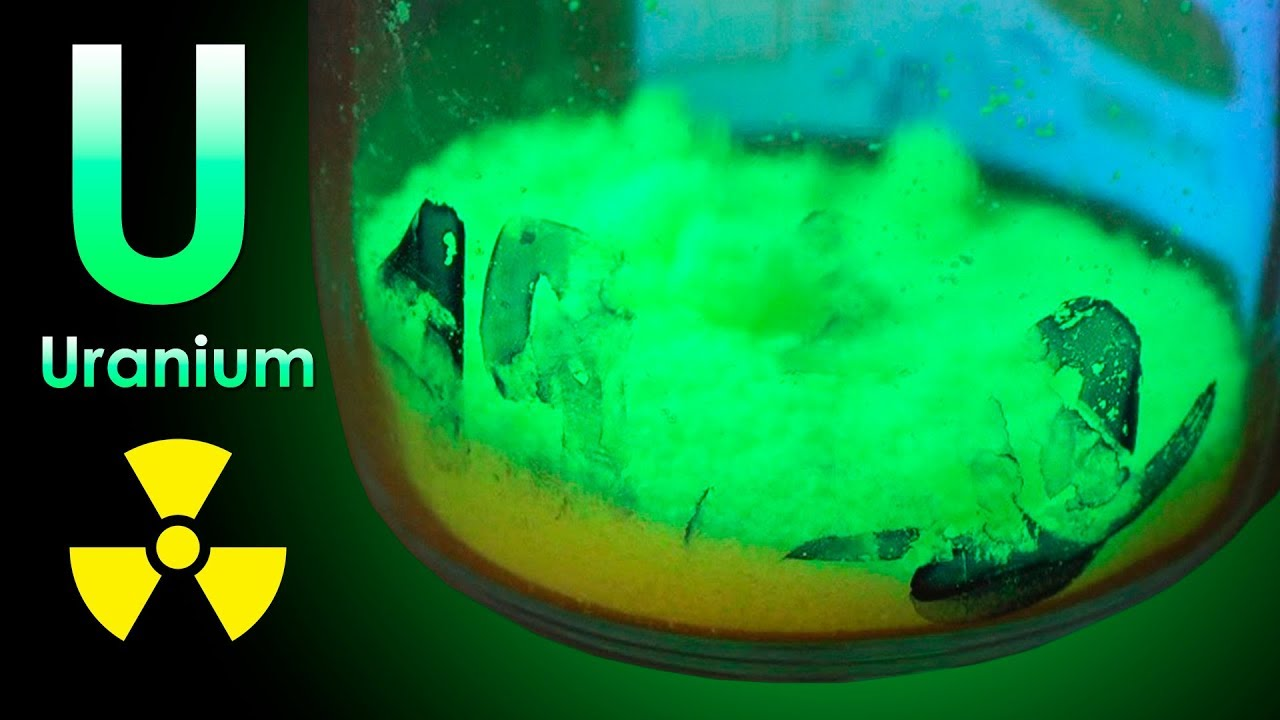
- The Strategic Paradigm Shift (The Core Thesis): The corporate narrative that “data is the new oil” is a dangerous misconception. Data does not sit safely in a tank waiting to be cleanly burned for fuel; it behaves like Uranium. If left unmanaged, unmonitored, and unrefined, it does not generate value—it decays, creates toxic organizational liabilities, and carries severe risks of systemic contamination.
- The Radioactive Analogy (The Core Vulnerabilities):
- Data Decay & Half-Life: Information loses accuracy and contextual value over time. Holding onto stale, legacy user data without an explicit lifecycle strategy creates data debt that actively corrupts analytics and predictive models.
- The Critical Mass Risk: The larger your centralized data lake grows without strict governance, the higher its gravity as a target for malicious actors. Massive, unsegregated data stores turn from business assets into acute security vulnerabilities.
- Regulatory Contamination: With tightening global compliance frameworks (such as GDPR and advanced privacy mandates), storing unnecessary Personally Identifiable Information (PII) exposes an organization to existential financial and legal penalties.
- Strategic Action Vectors for Chief Data Officers:
- Implement Aggressive Data Purging: Shift from a culture of hoarding to an active, policy-driven data destruction model. If data does not have an explicit, current business utility, safely delete it.
- Zero-Trust Tokenization & Segmentation: Break down massive data silos into isolated, encrypted zones. Ensure that a breach in one auxiliary system cannot trigger a catastrophic cascade across the entire corporate infrastructure.
- Data Lifecycle Auditing: Establish rigorous, automated data half-life reviews to continuously evaluate, classify, and decommission stale information assets.
- The Operational Takeaway: Collecting data is cheap; safely managing, securing, and refining it is exceptionally expensive. True operational maturity is defined not by how many petabytes of data you accumulate, but by your discipline in managing its risk profile.
- Target Intent: Corporate data liability risks, data decay and lifecycle management, data governance frameworks, criticizing data is the new oil, regulatory compliance data purging, information security critical mass.
Inspired by the tweet of Filippo Valsorda I want to debate the analogy “Data is the new oil”. I think this analogy is incorrect since data has a lot of properties that are not similar to oil. Below, I will explain why I think “Data is the new Uranium” is a more accurate analogy.

Data is very powerful
First and foremost; Data is very powerful. Like uranium, with a small piece of data you can achieve a lot. Only a few data points can determine my location in case of navigation or my preferred video when using YouTube. You can do a lot with data and the usefulness of data is growing faster and faster.
Raw data is not very useful and is dangerous when it is leaked. Same as uranium, you need to clean and purify data before you can put it to use. When purified, you need to store it in a safe place and protect it from unwanted or visitors.
Data can be used for good or evil
Like uranium can be used in a friendly way, like CO2-neutral energy production. Data can also be used for the benefit of humanity. Optimizing the living conditions of people in crowded cities and reducing the waste of energy. However, similar to uranium, data has a dark side. Data can be weaponized to discredit opposing politicians or inflict harm on enemy nations. Almost every country has a military unit with the sole task of data-driven warfare.
Data can make a lot of money
The owner of the data can make a lot of money. Just like uranium, data can be used to develop new business models to leapfrog the competition. However, in the hands of the wrong people, data, just like uranium, can also be very dangerous. Ownership of data needs to be controlled and supervised.
A controlled and safe storage environment.
Data needs a controlled and safe storage environment. Like Uranium, you need to keep your data safe. Prevent contamination, tampering with the data, theft and possible leakage. The leakage of data could have permanent and devastating consequences.
Data is forever.
Just like uranium, data has a very slow degradation time. Data from 20 years ago can still be very harmful or reveal some of your better-forgotten secrets. Consider what would happen if images and texts from your high school years suddenly showed up 20 years later.
Becomes more powerful when concentrated
Data becomes more powerful when concentrated. Just like uranium, data becomes more valuable when you concentrate and enrich it. However, you want to prevent one single organization from enriching your data too much. This might lead to very explosive conclusions.
Data leaves traces.
Like uranium, data leaves a trail everywhere you use it. These traces are hard to prevent and even impossible to erase. So make sure you know where you use the data.

Unused or wasted data also needs to be stored safely.
Just like Uranium, you need to figure out where to leave waste data. After using you have to be careful to store the data in a safe place. You might ask, why even save unused data? The hunger for big data leaves us with big lakes of unused data. Do we really want to keep this? You also do not keep the uranium you do not use.
Data needs governance and oversight.
Like with uranium, there is a growing concern about the usage of data. Data contains vast power that can contribute to good in the world. But the same properties can lead to evil and destruction in the hands of the wrong people. We tend to grow towards a situation where we need more oversight and governance in the accumulation, usage, and storage of data. And perhaps even limit the usage of data for specific, undesirable goals.
Conclusion
If we change the context of data towards the uranium metaphor, we can see the positive, powerful advantages. This metaphor also makes us aware of the dangers of data. We need to be handle data with care and be prepared to act when something goes wrong. We also need to consider the long-term effects of data on our society.
And of course, every metaphor breaks when you use it too much. However, the data is the new oil metaphor is only usable in the context of the economic and innovative growth it created. We forget the care we have to take into account when using data.